Loading


Loading
7 min read • February 28, 2024
Key considerations for integrating sound control in contemporary building design.
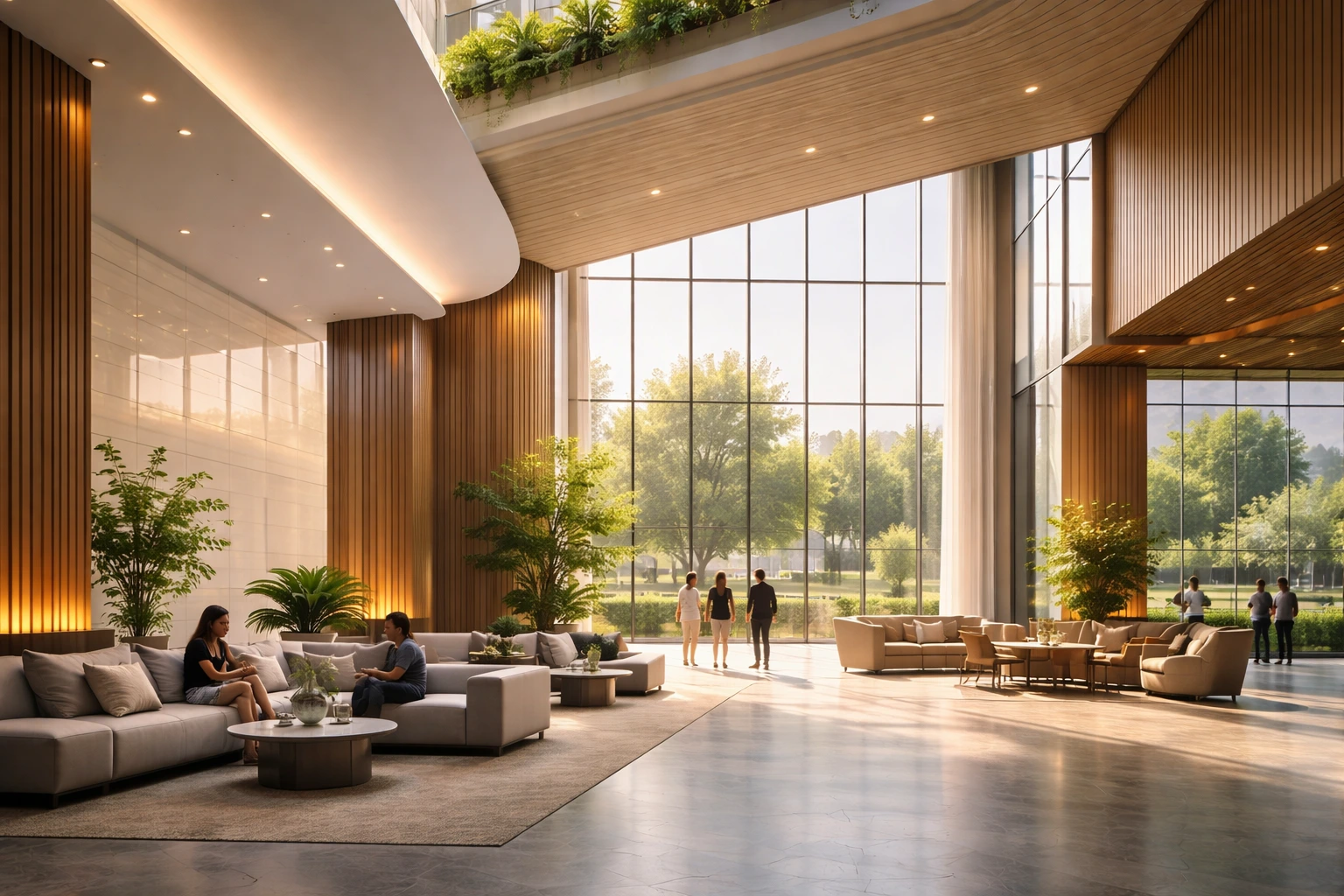
Modern architecture increasingly recognizes that acoustic design is as important as visual aesthetics. Creating spaces that sound as good as they look requires careful planning and expertise.
The foundation of good acoustic design lies in understanding how sound behaves in different spaces. Factors like room geometry, surface materials, and occupancy all play crucial roles in determining acoustic quality.
ZeroSound works closely with architects during the design phase to optimize spaces for their intended use. Whether it's a concert hall, office, or residential building, each requires a unique acoustic approach.
Innovative materials and construction techniques allow us to achieve superior acoustic performance without compromising on design flexibility. Hidden sound absorption systems and aesthetically integrated solutions are becoming standard in high-end projects.
We also consider the relationship between indoor and outdoor spaces, ensuring that buildings protect occupants from external noise while preventing sound leakage that might disturb neighbors.
Looking forward, we're exploring how parametric design and computational modeling can create acoustically optimized spaces that were previously impossible to achieve.
The integration of acoustic technology into building management systems also allows for dynamic sound control, adapting to changing conditions and uses throughout the day.